 How-to
What Efficient Irrigation System Installation Costs in 2026
Last Updated: November 19, 2026
Quick Summary
Efficient irrigation system installation typically costs $1,600 to $3,600 nationally, averaging around $2,539, though design fit for your yard matters more than controller brand or head count. In-ground systems for most lawns run $2,500 to $5,500, covering roughly 2 to 10 zones.
- Yard size, zone count, soil type, water pressure, and trenching difficulty drive irrigation system installation cost.
- Drip systems average around $350 nationally, with most homeowners paying $310 to $850.
- A five-zone system falls in the middle of the residential range, suiting a modest to average lawn.
- Cost calculators give ballparks only; they cannot account for your water pressure or trenching needs.
- UF/IFAS guidance notes efficient design still requires appropriate scheduling to save water.
Table of Contents
- What Drives Efficient Irrigation System Installation Cost
- Using an Efficient Irrigation System Installation Cost Calculator
- How Much Does a 5 Zone Sprinkler System Cost?
- Frequently Asked Questions
What Drives Efficient Irrigation System Installation Cost
The biggest factor in efficient irrigation system installation cost is design fit for your yard, not controller brand or head count. Similar properties can get wildly different quotes because one design accounted for sandy soil, water pressure, and zone layout and the other did not.
Key variables include yard size, zone count and layout, soil type and trenching difficulty, water source and pressure, system type, and labor and materials. Nationally, published estimates put a new sprinkler system between $1,600 and $3,600, averaging around $2,539, according to NerdWallet's sprinkler system cost estimate, a reference point, not a local quote.
Efficient design alone does not guarantee efficient water use. UF/IFAS guidance on efficient irrigation design makes clear that appropriate scheduling is also required, which is why we build controller programming into every install.
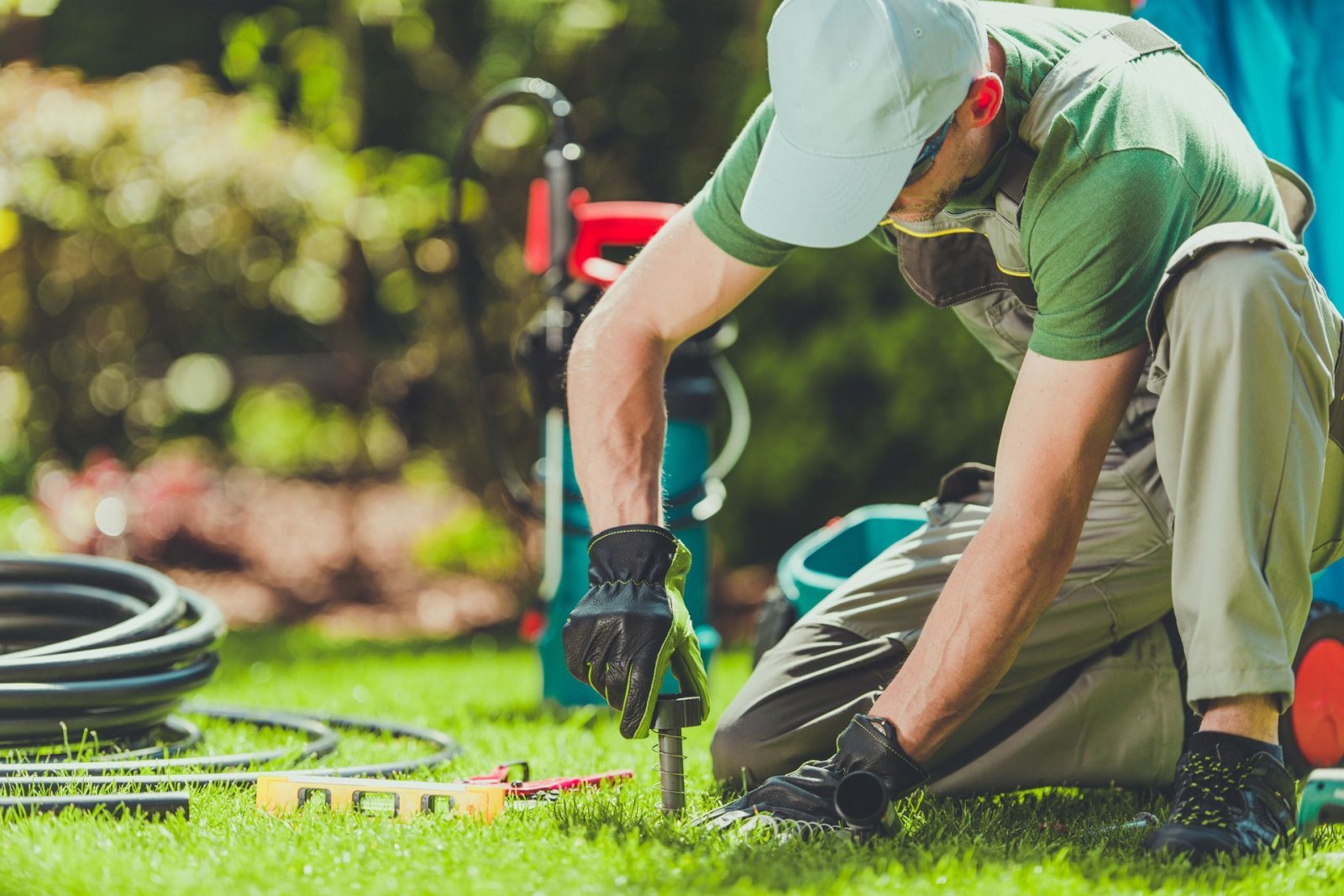
Budget for sprinkler maintenance alongside the install, and check current offers that may reduce your upfront expense.
Using an Efficient Irrigation System Installation Cost Calculator
An efficient irrigation system installation cost calculator gives you a ballpark, not a bid, most tools ask for lawn square footage, zone count, and system type, but none know your water pressure or trenching needs. Measure your lawn area, count zones by flow rate, note your water source, add drip lines for beds, and compare the result to at least one on-site evaluation.
The gap between a calculator result and a professional quote usually comes down to site conditions, and that gap is where budgets get blown. You can contact us to request an on-site evaluation and a written estimate.
How Much Does a 5 Zone Sprinkler System Cost?
A five-zone sprinkler system typically falls in the middle of the residential range, suiting a modest to average lawn with separate watering needs for sun, shade, and beds. Published national figures for in-ground systems run $2,500 to $5,500 for most lawns, per What Grass Is This cost guide, covering roughly 2 to 10 zones.
Each zone adds a valve, wiring, pipe, and heads, and drip irrigation for beds adds a smaller line item, national guides put drip systems around $350 on average, with most homeowners paying $310 to $850, according to Angi's drip irrigation cost guide. For a quarter-acre lot, expect zone count and pipe runs to push you toward the upper half of any online range. The USDA Natural Resources Conservation Service guidance on low-cost irrigation notes that larger systems requiring pumps and permanent piping cost considerably more than simple gravity-fed setups, which tracks with what we see on residential installs.
Two practical reads if you are weighing a multi-zone system: how to lower water bills with irrigation and water-saving tips that cut your bill.
Every quote looks similar on paper until you ask what is included: zone design, pressure testing, scheduling, and a system built for sandy coastal soil. Veterans Landscape Management brings over 20 years of local experience, discounted rates for active military, retired veterans, and first responders, and expertise in Northeast Florida's sandy soils and coastal conditions. Request a consultation or project estimate for your property.
Here are the published national figures the article cites for in-ground and drip systems.
| Item | Value | Note |
|---|---|---|
| New sprinkler system (national) | $1,600 to $3,600 | Averages around $2,539 |
| In-ground systems, most lawns | $2,500 to $5,500 | Covers roughly 2 to 10 zones |
| Drip systems (national average) | Around $350 | Most homeowners pay $310 to $850 |
| Five-zone system | Middle of residential range | Suits modest to average lawn |
| Quarter-acre lot | Upper half of online range | Zone count and pipe runs push cost up |
Frequently Asked Questions
How much does it cost to have someone install an irrigation system?
National cost guides put a new sprinkler system around $1,600 to $3,600, averaging about $2,539, while in-ground systems for most lawns run $2,500 to $5,500. Your actual irrigation system installation cost depends on zone count, lot size, soil, water source, and site complexity. Veterans Landscape Management provides a site-specific estimate for Fernandina Beach, Amelia Island, and Yulee properties rather than a one-size-fits-all number.
What factors affect the cost of an efficient irrigation system installation?
The biggest cost factors are the number of irrigation zones, lawn area, soil type, water pressure and flow rate, and whether you need a new water source or well. Site conditions like trenching through sandy Northeast Florida soil, existing landscaping, and permit or backflow requirements also matter. UF/IFAS notes that efficient design alone does not guarantee water savings; proper scheduling is also required, so a controller setup tailored to your yard affects long-term value.
Is drip irrigation more efficient than a sprinkler system?
Drip irrigation delivers water directly to plant roots, which can reduce evaporation and runoff compared with overhead spray heads, especially in planting beds and on sloped ground. Drip irrigation system installation is often a good fit for beds and containers, while rotor or spray heads cover lawn areas. Many efficient designs combine both. A professional layout matched to your soil and plant types is the best way to compare efficiency for your property.
National irrigation system cost estimates