 How-to
How to Lower Water Bills with Irrigation: 5 Steps That Work
Last Updated: November 10, 2026
Quick Summary
The fastest way to lower water bills with irrigation is to find and fix leaks and broken sprinkler heads, then set a watering schedule that matches Florida's seasons. Walk the lawn while the system runs to spot puddles, soggy spots, and misdirected spray. Adding a smart controller and rain sensor can prevent watering when the lawn does not need it.
- Walk your lawn while the system runs to look for puddles, soggy spots, and misdirected spray.
- Fixing one broken sprinkler head is small, but a hidden leak wastes water every day.
- Water deeply but less often so roots grow down.
- Cut back or skip watering after heavy rain.
- A smart controller and rain sensor stop sprinklers from running when the lawn does not need water.
Table of Contents
- Check Your Irrigation System for Leaks and Broken Heads
- Set a Lawn Watering Schedule for Florida's Seasons
- Add a Smart Controller and Rain Sensor, Then Book Your Irrigation Check
- Frequently Asked Questions
Check Your Irrigation System for Leaks and Broken Heads
A high water bill is often caused by a leak or a broken sprinkler head that runs longer than you realize, and fixing it is one of the fastest ways to lower water bills. Walk your lawn while the system runs and look for puddles, soggy spots, or water spraying where it should not.
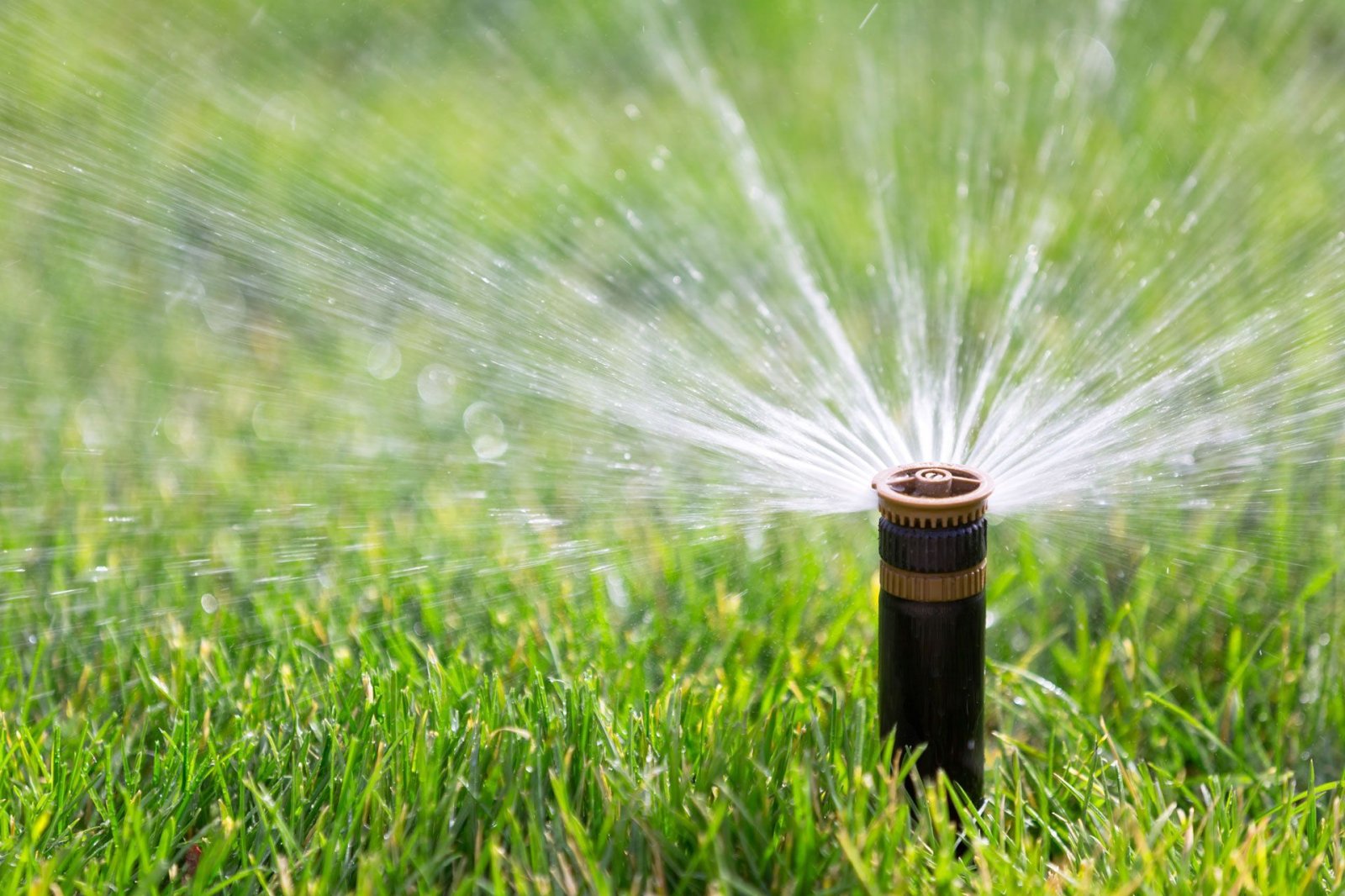
Check these common problem areas:
- Cracked, tilted, or sunken sprinkler heads
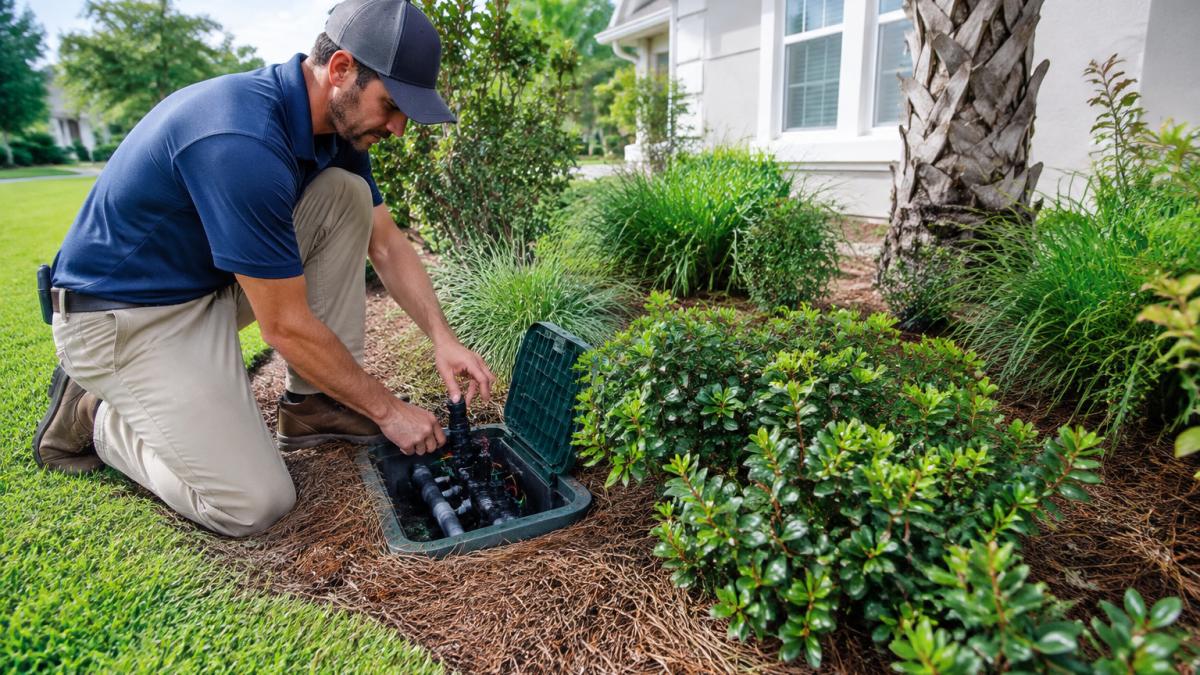
- Water pooling around valves or along the supply line
- Heads spraying the driveway, sidewalk, or street
- Zones that keep running after you turn the system off
Fixing one broken head is small, but a hidden leak wastes water daily. If you're unsure how to fix it, book a sprinkler inspection with a professional.
Set a Lawn Watering Schedule for Florida's Seasons
Florida lawns often need less water than homeowners give them, especially in rainy summer months. Adjust your schedule with the seasons and water early in the morning to limit evaporation.
- Water deeply but less often, so roots grow down
- Cut back or skip watering after heavy rain
- Use UF/IFAS guidance for your grass type
- Check soil moisture before running an extra cycle
Sandy Northeast Florida soil dries fast, so check the schedule regularly (CPG12/CG093: 2026-2029 Florida Citrus Production Guide: Irrigation Management of Citrus...). Seasonal tweaks add up to real savings.
Here is a quick summary of the main seasonal watering habits covered in this section.
| Tip | What to do | Why it helps |
|---|---|---|
| Water deeply | Water less often, but deeply | Roots grow down |
| After heavy rain | Cut back or skip watering | Avoids overwatering |
| Grass guidance | Follow UF/IFAS guidance for your grass type | Matches your lawn's needs |
| Soil check | Check soil moisture before an extra cycle | Prevents unneeded watering |
| Timing | Water early in the morning | Limits evaporation |
Add a Smart Controller and Rain Sensor, Then Book Your Irrigation Check
A smart controller adjusts watering to local weather, and a rain sensor shuts the system off after a storm (the EPA). Together they stop your sprinklers from running when the lawn does not need water. To find a nearby professional for the installation, see how to choose a front yard landscaping contractor.
If you want this done right, contact Veterans Landscape Management for an irrigation check and estimate. Our team can also help you choose a landscape contractor with confidence.
Frequently Asked Questions
How much does an irrigation system increase your water bill?
An irrigation system adds to your water bill in proportion to how often and how long it runs. Many Florida homes see the largest increase during the dry season, when sprinklers run more often. Checking your bill against a month without irrigation can help you estimate the cost. Separate irrigation meters, where your utility offers them, can also show exactly what watering costs you. Veterans Landscape Management can review your system and help identify where water is being wasted.
Can rain sensors prevent unnecessary irrigation?
Yes. A rain sensor shuts off the controller after enough rain falls, so sprinklers do not run on days when the lawn already has water. This prevents watering in the rain, one of the most common sources of wasted water. Rain sensors need to be placed in an open area and checked periodically for debris or misalignment. If your system does not have one, Veterans Landscape Management can install a rain sensor during an irrigation visit.
How do I know if my irrigation system has a leak?
Watch for soggy spots, unusually green patches, water pooling near sprinkler heads, or a meter that keeps moving when no zones are running. Run each zone one at a time and look for spray that is weak, misaimed, or spraying onto sidewalks. A leak that goes unnoticed can raise your bill quickly. If you cannot find the source, a professional inspection can pinpoint it.